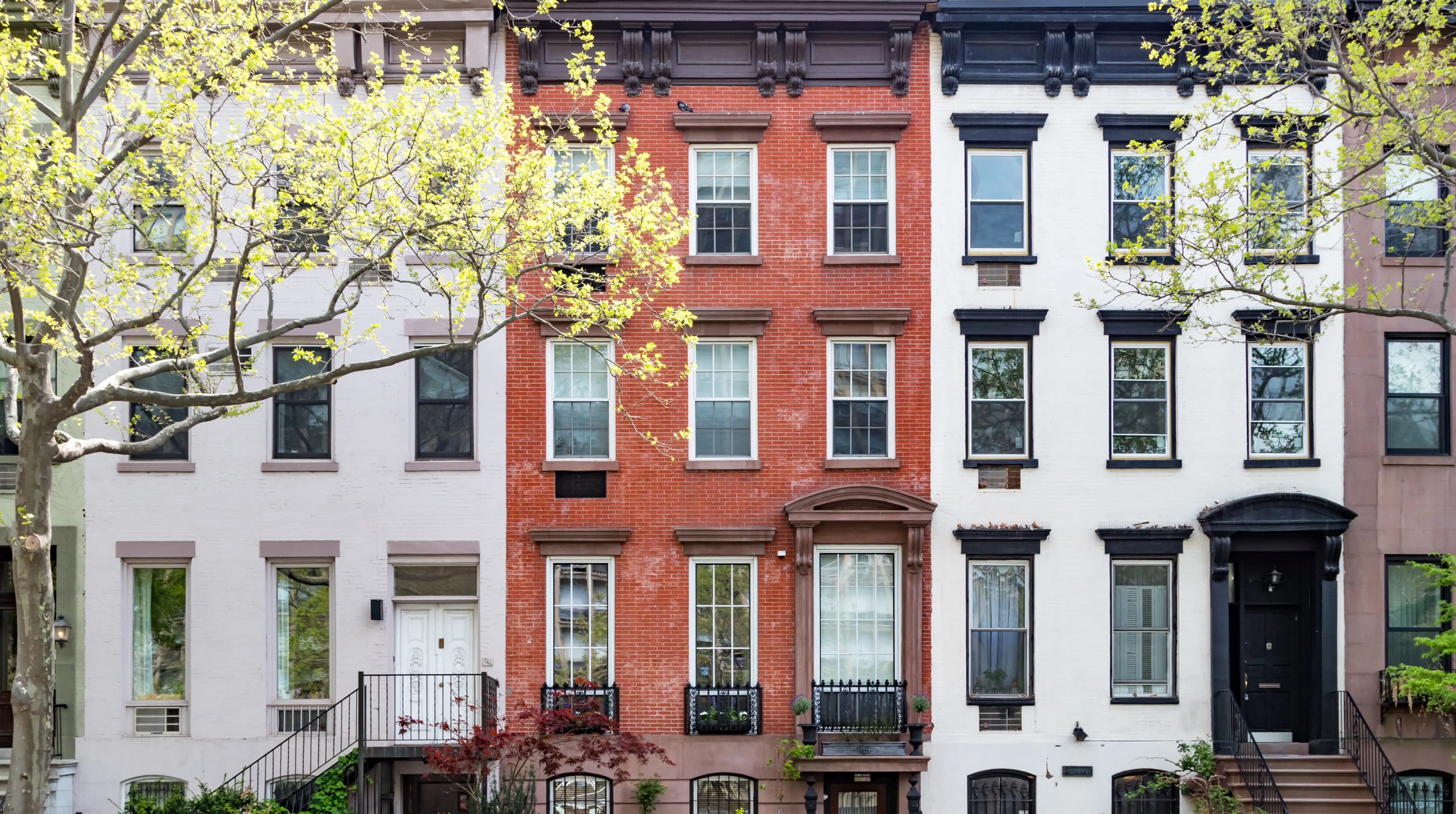
A high-value condo or co-op in New York can pay a new annual tax if it does not qualify as a primary residence. What matters is not the purchase price, but the value that the NYC Department of Finance assigns to the unit. If that DOF Market Value is less than $1 million, the tax is zero. From $1 million and up, the surcharge starts at 4% annually, and in the top bracket can reach 6.5%. Since July 1, 2026, New York has been charging an annual additional tax on certain high-value properties that are not the primary residence of anyone who qualifies. Its official name is the Non-Primary Residence Property Surcharge, though it is commonly called the pied-à-terre tax.
What "primary residence" means to the Department of Finance
In this law, everything revolves around a single concept: whether the unit is or is not a primary residence. It is not about where you feel at home, but an administrative criterion that the DOF evaluates each year. Among the factors the DOF considers is whether the property was occupied, in total, for the majority of the calendar year by an owner. The determination is made as of a specific date (taxable status date): for the 2026 surcharge, that date was January 5, 2026.
Translated to everyday terms: if you live primarily elsewhere and only use the apartment some weekends or a few months a year, that unit is not your primary residence. And if it also exceeds the DOF's value threshold, you pay the tax.
Who pays the tax
For the fiscal years 2026-2027 and 2027-2028, you pay when both of the following conditions are met:
- The property is not the primary residence of the owner, an immediate family member who qualifies, or a tenant with a legitimate contract of at least one year.
- The DOF Market Value reaches the applicable threshold. This is the value assigned by the NYC Department of Finance, not the price you paid. (Source: NY Tax Law §1351)
If you buy a condo or co-op
The rates vary based on the market value assigned by the DOF. Below is the tax structure for condominiums and co-ops:
Table: Annual tax by DOF Market Value (Condo and Co-op)
| DOF Market Value | Annual tax |
|---|---|
| Less than $1 million | $0 |
| $1 million to $3 million | 4% of DOF Market Value |
| More than $3 million up to $5 million | 5.25% |
| More than $5 million | 6.5% |
These rates apply to the value determined by the Department of Finance, not the price you paid for the apartment. Note on co-ops: since a co-op consists of shares in a corporation and not direct property ownership, the DOF does not value the unit individually. The value is imputed from the total value of the building, multiplied by the proportion of shares assigned to that unit relative to total shares issued.
Example: how much you pay based on the DOF Market Value
What you pay depends on the DOF Market Value assigned to your unit. Here are four scenarios for a condo or co-op that does not qualify as primary residence:
- Case 1 — DOF Market Value of $1 million: reaches the entry threshold: $1,000,000 × 4% = $40,000 annually.
- Case 2 — DOF Market Value of $15 million: falls in the top bracket: $15,000,000 × 6.5% = $975,000 annually.
- Case 3 — DOF Market Value of $25 million: $25,000,000 × 6.5% = $1,625,000 annually.
- Case 4 — DOF Market Value over $25 million (example: $30 million): $30,000,000 × 6.5% = $1,950,000 annually.
That payment is in addition to the normal property taxes on the property. The City indicates that the first charges will appear on the property tax bill due on January 1, 2027.
So, does every second residence pay the tax?
Not necessarily. You pay the tax only if: It is a condo or co-op that does not qualify as a primary residence; and Its DOF Market Value is at least $1 million. It is not just about how much you paid. What matters is the value shown in the Department of Finance records.
Why the DOF Market Value almost always differs from the purchase price
Because, during this first phase, New York fiscally values condos and co-ops using a methodology different from their actual sale price. The City itself explains that a condo or co-op with a DOF Market Value of $1 million may be comparable, for purposes of this law, to a single-family home valued at approximately $5 million. (Source: NYC Department of Finance)
In practical terms: The price shown on the listing and the value the DOF assigns to the unit rarely match. Only by checking the specific unit's DOF Market Value can you know if it falls below the $1 million threshold or lands directly in the 4%, 5.25%, or 6.5% brackets.
If it is a townhouse or single to three-family home
The rates for single-family homes, townhouses, and two to three-family properties are different:
Table: Annual tax by DOF Market Value (Townhouse and 1-3 family homes)
| DOF Market Value | Annual tax |
|---|---|
| Less than $5 million | $0 |
| $5 million to $15 million | 0.8% |
| More than $15 million up to $25 million | 1.05% |
| More than $25 million | 1.3% |
Therefore, a townhouse is subject to this tax only if its DOF Market Value reaches at least $5 million. If the value assigned by the DOF is below that figure, it does not pay the surcharge, even if it is not a primary residence. (Source: NY Tax Law §1350)
When a primary residence exemption exists
The tax is not charged if the property is the primary residence of:
- The owner.
- Their spouse, child, sibling, parent, grandparent, or grandchild.
- A tenant or subtenant under a legitimate contract of at least one year.
- A person or persons who collectively own the majority of the LLC or owning entity.
- The beneficiary or beneficiaries of a trust. (Source: NY Tax Law §1351)
The DOF sends a notice when it believes a property might be subject to the surcharge, and the owner can respond with supporting documentation — tax returns, lease agreements — to prove that it does qualify as a primary residence. If the DOF denies the exemption, the decision can be appealed to the New York City Tax Commission.
Key dates
- July 1, 2026: the surcharge takes effect.
- July 2026: the DOF sends notices to identified owners and publishes a supplemental assessed values roll.
- October 6, 2026: current deadline for submitting an exemption application if you received a notice. This deadline has been extended once, so it is best to confirm it on the DOF website.
- January 1, 2027: due date of the property tax bill where the first charges appear.
- June 30, 2031: the surcharge expires, unless renewed.
What changes starting July 2028
The current phase is not permanent. Starting July 1, 2028, the $1 million threshold for condos and co-ops disappears: all covered properties — single to three-family homes, condos, and co-ops — fall under the same scheme, with a $5 million threshold and rates of 0.8% to 1.3%. For a buyer, this can mean a big difference: a condo with a DOF Market Value of $15 million that today would pay around $975,000 per year would drop to roughly $120,000 in 2028; and a condo with a DOF Market Value of $1 million, which today pays $40,000, would pay nothing since it falls below the new $5 million threshold. It is worth modeling both scenarios before buying.
The explanation in one sentence
The new law does not automatically charge a tax on every second home: it charges an annual tax on condos and co-ops that are not primary residences with a DOF Market Value of at least $1 million, and on one to three-family homes that are not primary residences with a DOF Market Value of at least $5 million.
Frequently asked questions
What is a primary residence according to the NYC Department of Finance?
It is the property that serves as the principal residence of the owner, an immediate family member who qualifies, or a tenant with a contract of at least one year, evaluated as of the annual determination date.
Can I have two primary residences?
No. For purposes of this surcharge, the unit either qualifies or does not. If you live most of the year elsewhere, the New York apartment is considered a non-primary residence.
Does renting the apartment avoid the tax?
Only if the tenant uses it as their primary residence under a legitimate contract of at least one year. A short-term rental does not work.
What if the property is in an LLC or a trust?
It looks at who owns the majority of the entity, or who is the exclusive beneficiary of the trust, and whether that person uses the property as their primary residence.
Where can I find the DOF Market Value of a unit?
In the Department of Finance records for the unit itself, not in the listing or sale price.
Disclaimer
Implementation of the surcharge is still developing, and there are ongoing lawsuits about how the City identified affected owners, so it is best to verify current deadlines before acting. This article is general information and does not constitute tax or legal advice; consult your accountant or attorney for your specific situation. Are you evaluating a purchase in New York and unsure if the unit qualifies as a primary residence? Write to me before making an offer, and we can review the DOF Market Value of that specific unit together.